Best Time for Flue Pipe Repairs
Identifying the optimal time for flue pipe repairs is essential to ensure safety and efficiency. Typically, repairs are most effectively performed during periods of low usage, such as late spring or summer, when heating systems are not actively in use. This minimizes disruption and allows for thorough inspection and maintenance.
Conducting inspections during warmer months helps detect issues before the heating season begins, reducing the risk of emergency repairs during peak usage.
Performing repairs in dry, mild weather conditions prevents complications caused by rain or snow, ensuring safety and better working conditions.
Scheduling repairs during planned system downtime avoids interruption of heating services and allows for comprehensive work.
While emergency repairs are necessary when issues arise unexpectedly, planning for scheduled repairs reduces the likelihood of urgent interventions.
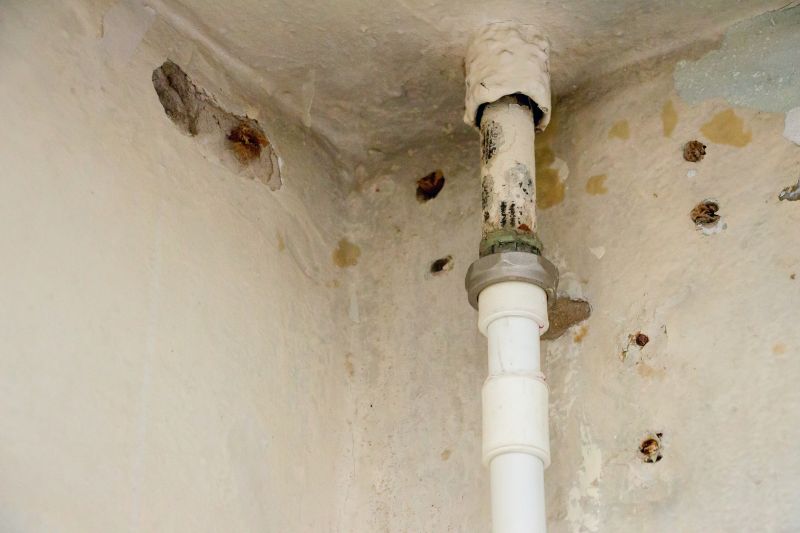
Visual assessment of the flue pipe for corrosion or damage.
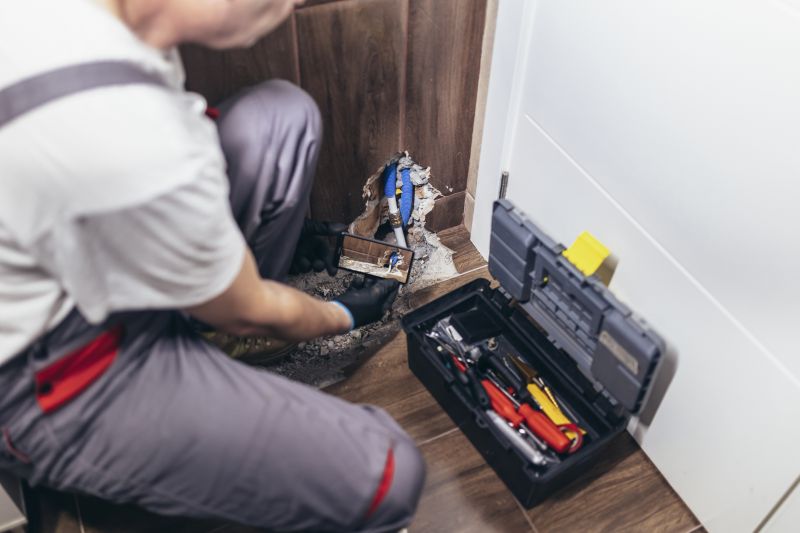
Technicians working on flue pipe maintenance.
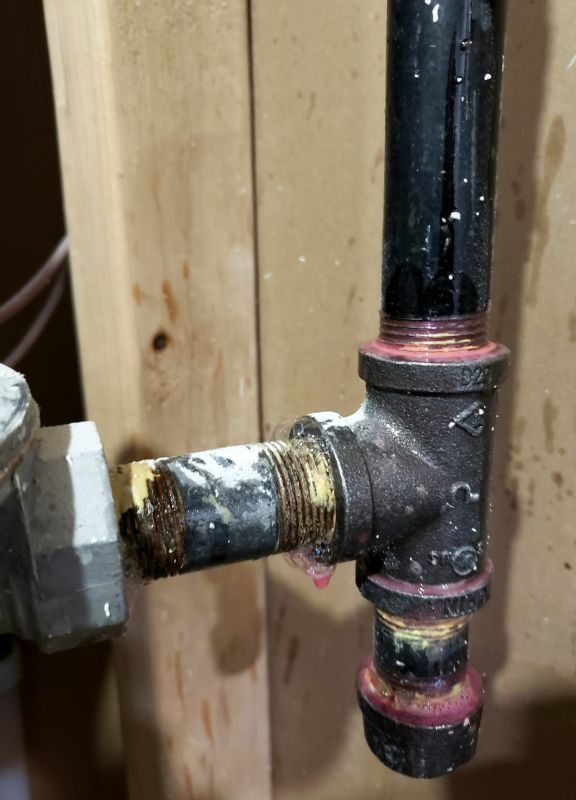
Finished repair with secure fittings.
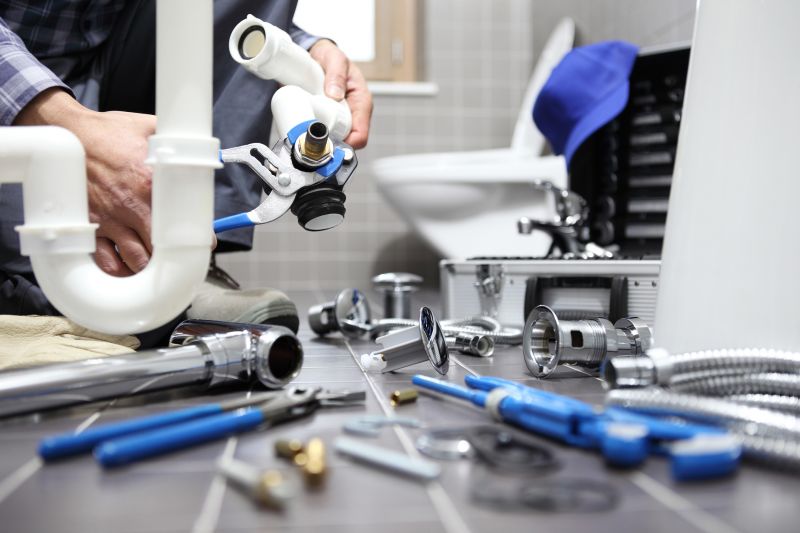
Ways to make Flue Pipe Repairs work in tight or awkward layouts.
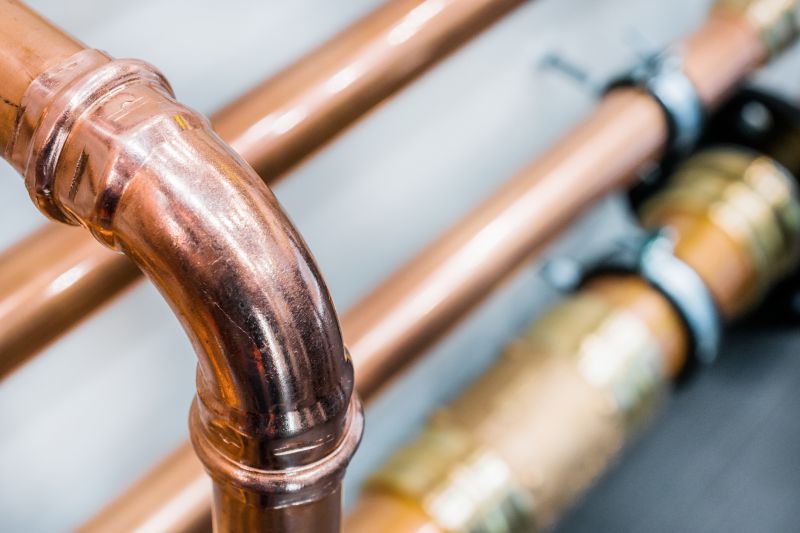
Popular materials for Flue Pipe Repairs and why they hold up over time.
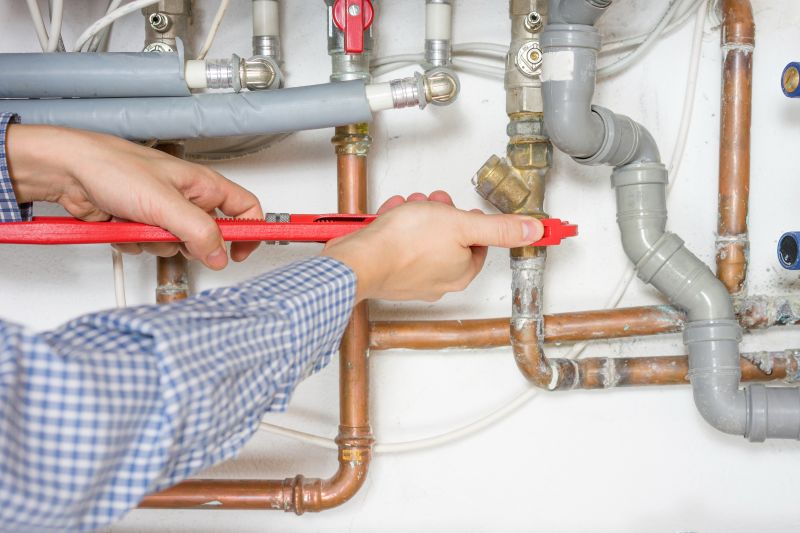
Simple add-ons that improve Flue Pipe Repairs without blowing the budget.
| Optimal Repair Timing | Key Considerations |
|---|---|
| Late Spring or Summer | Low system usage, favorable weather conditions |
| Pre-Heating Season | Prepares system for upcoming demand |
| Post-Season Inspection | Detects issues before next use |
| During Planned Maintenance | Minimizes operational disruptions |
| Avoid Peak Winter Months | High demand and urgency |
Flue pipe repairs are a critical aspect of maintaining the safety and efficiency of heating systems. Over time, flue pipes can develop corrosion, leaks, or blockages that compromise the venting of combustion gases. Regular inspections and timely repairs help prevent dangerous buildup of gases such as carbon monoxide, which can pose health risks. Statistics show that a significant percentage of heating system failures are caused by neglected flue pipe issues, emphasizing the importance of scheduled maintenance.
Advances in repair techniques and materials have improved the longevity and reliability of flue pipes. Properly maintained systems can operate more efficiently, reducing energy costs and extending the lifespan of the equipment. Experts recommend annual inspections and addressing any identified problems promptly to ensure compliance with safety standards and optimal operation.
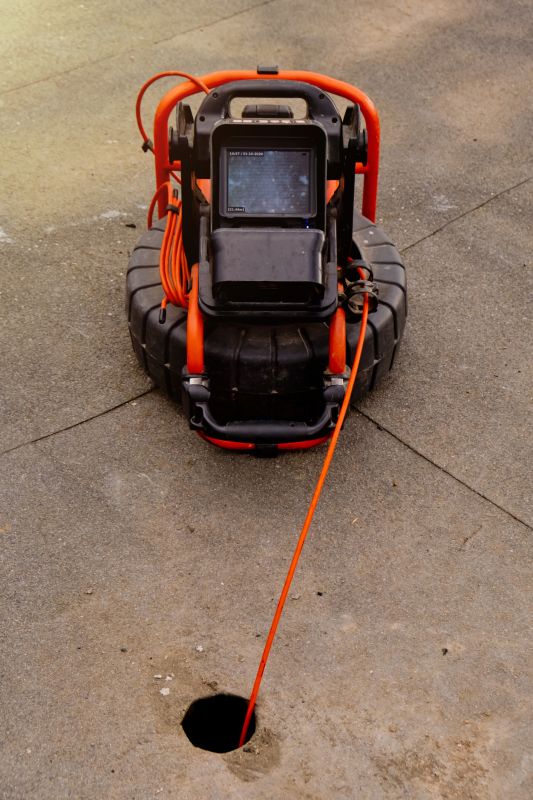
Specialized equipment used for assessing flue pipe condition.
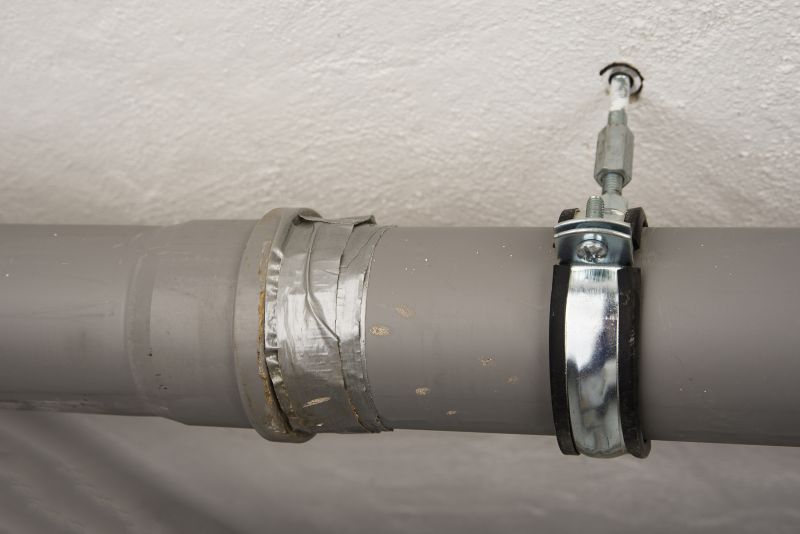
Sealing leaks to prevent exhaust gas escape.
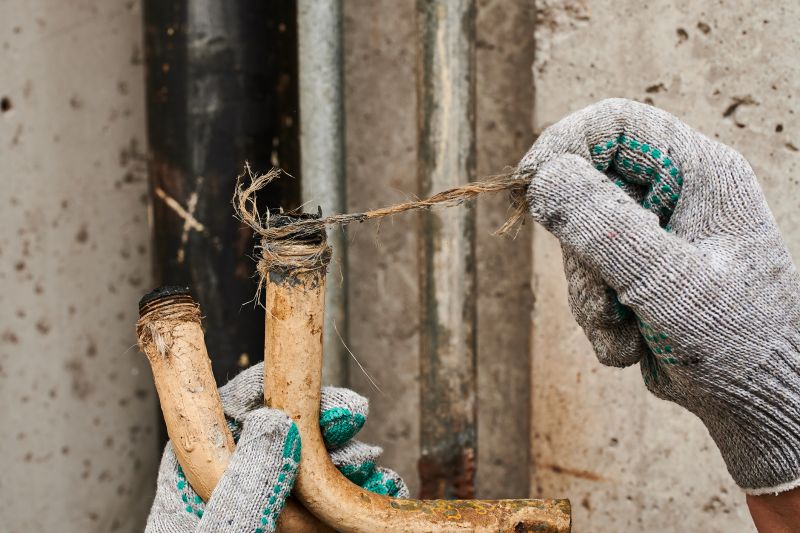
Applying protective coatings to prevent rust.
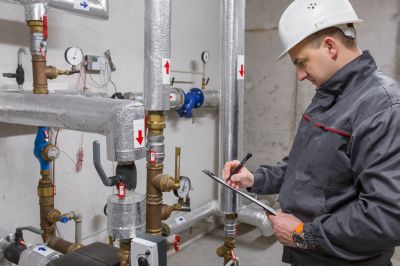
Ensuring repairs meet safety standards.
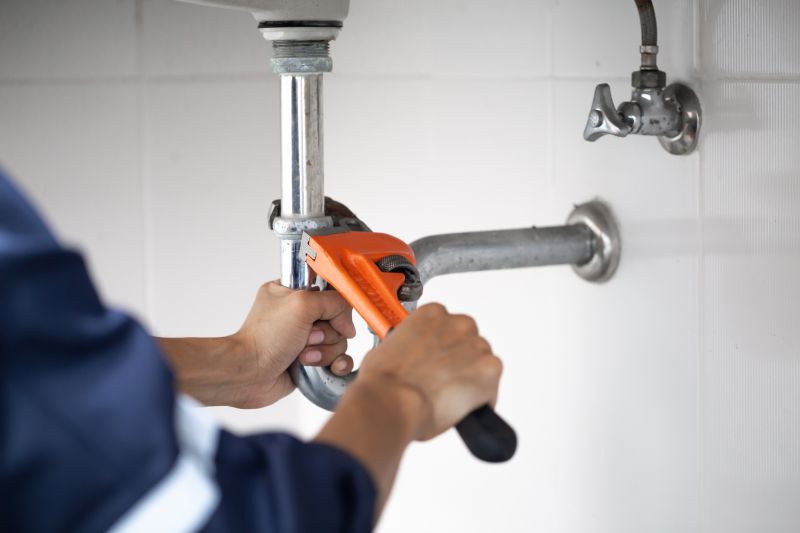
High-end options that actually feel worth it for Flue Pipe Repairs.
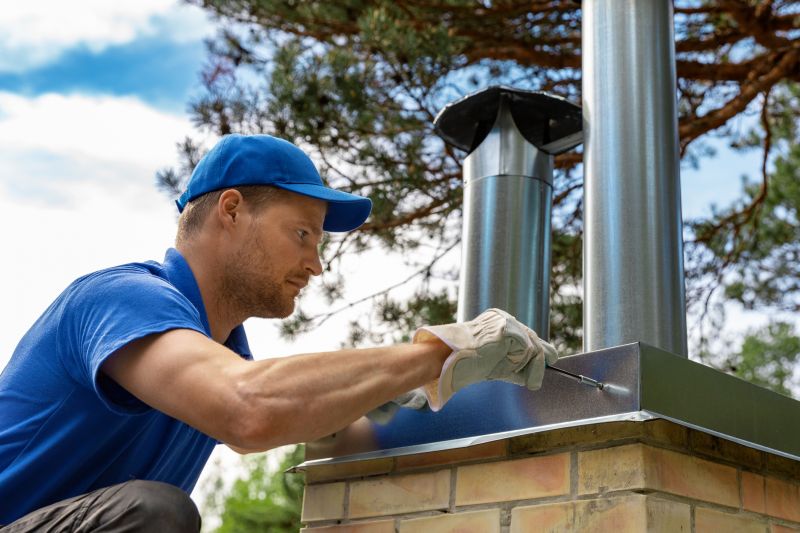
Finishes and colors that play nicely with Flue Pipe Repairs.
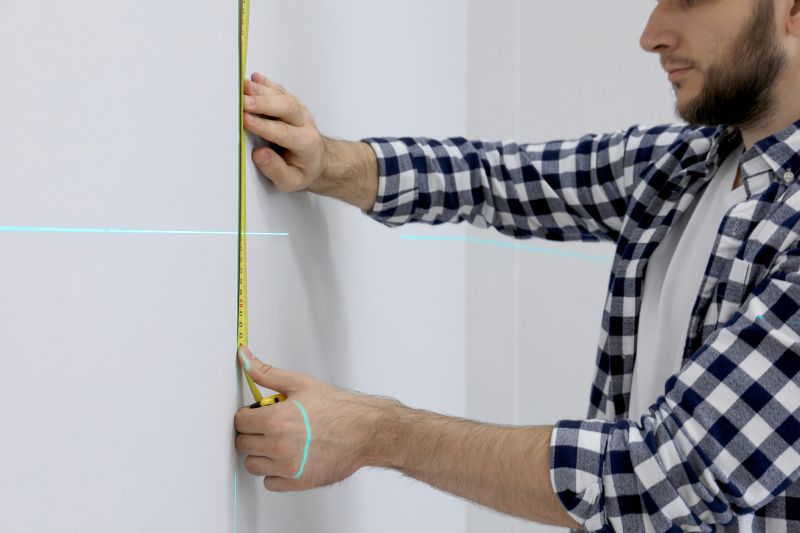
Little measurements that prevent headaches on Flue Pipe Repairs day.
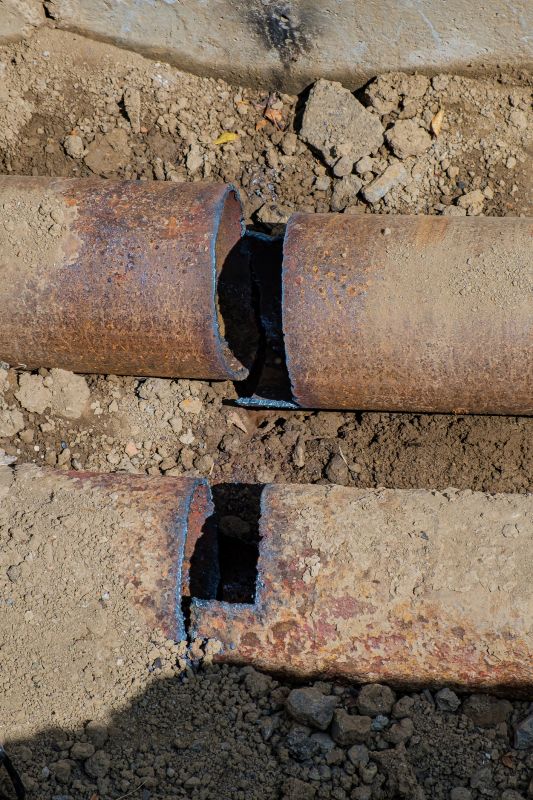
A 60-second routine that keeps Flue Pipe Repairs looking new.
If there is interest in scheduling flue pipe repairs, filling out the contact form is recommended. Proper timing and maintenance can prevent costly repairs and ensure safe operation of heating systems.